 Disney’s Hercules is a 1997 film bastardising Hercules’ famous trials and adding conflict by changing pretty much everything Hercules ever did and was. Can you tell I’m jaded? For a start, Heracles is his Greek name, and as the other characters in the film are called by their Greek names (Zeus, Hades, Hera, Hephaestus, Hermes etc) he shouldn’t be called by his Roman name Hercules. And he was a bit of a ladies’ man man whore with over 20 recorded wives/mothers of his many, many children, and “uncountable” male lovers. His mother was a mortal, Alcmene, not Hera, although he was named after her (Hera’s glory). In fact, Hera tried to kill Alcmene because she was jealous she was not Hercules’ mother. It was Zeus that turned the mortal Heracles semi-immortal by placing the infant at Hera’s breast and allowing him to drink while she was asleep. That’s kind of like rape, right? And Hercules was only granted godhood when he was poisoned and commit suicide. His wife (at the time), Deianeira, commit suicide after she realised she’d been tricked into poisoning him. But this is all to grim and dark for a Disney movie, right?

Now that I’ve got all of that out of the way, let’s talk about the safe, happy Disney version. Where Hercules is born to Zeus and Hera on Mount Olympus and turned mostly-mortal by his scheming uncle Hade’s sidekicks. Megara (Meg to her friends – if she had any) isn’t introduced until well into the film, where Hercules rushes to her rescue thinking she is at the mercy of a giant centaur river god.

Well, she is a damsel and she is in distress, but she assures Hercules, or “Wonderboy” as she nicknames him, that she can look after herself. And boy, can she! Meg is one of the wittiest female leads Disney ever produced. Not only that, but they make no secret she’s not a virgin – she did, after all, sell her soul to Hades to save her lover, who then promptly ran off with some hussy *shakes fist*.
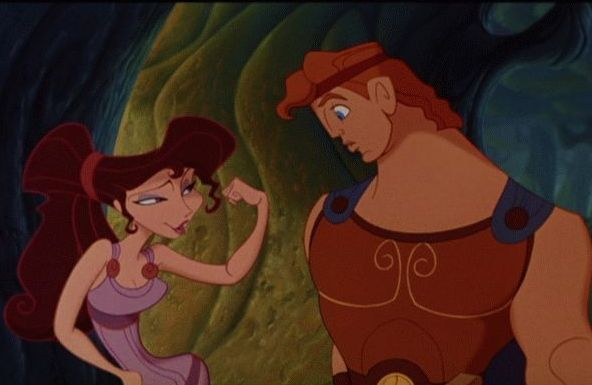
Now she’s Hades slave, and he’ll take full advantage of her and her womanly wiles. After Hercules rescues her he makes his way to Thebes to become a hero (so he can gain his immortality and go back Mount Olympus – if only it was that easy). This is where Meg steps in. She’s indentured to Hades and must play her part in his little play-act to help destroy Hercules.
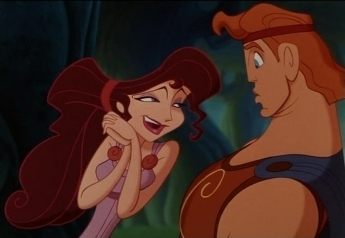
Of course, the film is about Hercules, not Meg. So all we see is how much she hates and disrespects her undead master until she’s of use to him again – seducing Hercules to find out what his weakness is. Turns out his weakness is Meg herself, and Hades realises this before anyone else. He uses Meg as leverage to get Hercules to give up his power even though she tries valiantly to stop him. Now that Hercules is powerless Hades can start his plan to rule Mount Olympus by freeing the Titans Zeus buried eons ago. Meg stands by helplessly as Hercules is beaten up by the cyclops.
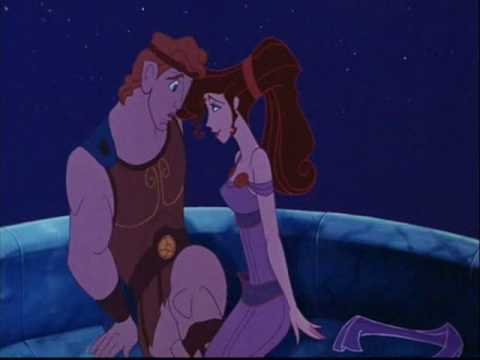
However, Meg redeems herself. She saves mortal Hercules from being crushed by a falling column and is crushed by it herself. This break Hades’ deal: Hercules made him agree that if Meg got hurt, the deal was off. Hercules flies off to Mount Olympus to save the day while Meg dies. Yeah. Great going, kid. But all is not lost. Hercules is convinced he can save her by retrieving her soul from the Underworld. The price is himself, though: the act of saving Meg will kill him.

Unless in the process he proves himself a true hero and therefore becomes immortal. He saves the girl, saves the day, and throws Hades to his ungrateful children (much like Scar and the hyenas in The Lion King or the asylum owner and his girls in Sweeney Todd). Hercules and Meg are taken to Mount Olympus where Hercules is invited to live. But Meg is mortal, and cannot live there. So Hercules decides to give up his immortality and live with Meg on Earth. Awww, how sweet!
















 Lissa Bilyk